
145550420 © Planetfelicity | Dreamstime.com
If you were sitting down from scratch to write down what you wish you’d known when you got into all this AM stuff…
Would you wish that you had known more (pick one)
- Engineering
- IT
- Finance
- Economics
- Psychology
- Statistics
- Self-knowledge
- Philosophy
- Politics
What would you have studied at 18?
Asking what we should know is, of course, a question of what it is we do.
I am sure that, in addition to more and better about specific AM concepts and tools, I could have used more on managing managers, and infrastructure economics. And I wished I’d loved statistics!
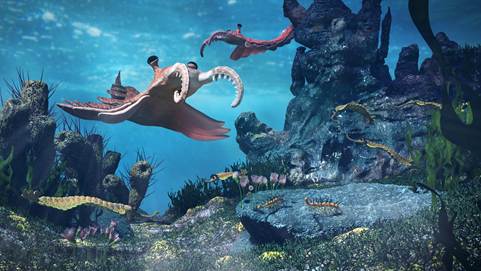
(But I would have liked to do palaeontology at 18.) (I am not going to claim it would have made me more useful!)
I would have wanted to have more foresight, knowledge, and tools to overcome what has consistently been the largest barrier we have faced implementing AM best practices. This barrier has been in convincing leadership they need to care enough to commit to funding, staffing, and training for the long haul. This commitment is as important for the “in-the-trenches” staff as it is for leadership themselves, so they need to train themselves up sufficiently so they can make practical and definitive decisions within a continuous improvement mindset.
So, in hindsight, what I wish I’d known when I got into all this AM stuff were better communication and change management methods, techniques, tools, strategies, etc. With these skills I would have been better prepared to work with my other “in-the-trenches” colleagues to help make the case for AM in a way that someone in leadership would become a true champion and definitively commit themselves, their budget, and their team to AM maturation. When I first started this journey I thought the biggest barriers were technical–“mathy” stuff like calculations–and data, but in hindsight I’ve come to learn these are drastically easier than leadership commitment and culture change.
While I enjoyed economics I didn’t specialise in it, but that stuff on economic forecasting along with statistical analysis and scientific management would be of more use now.