

ID 136686433 | Globe © Siarhei Yurchanka | Dreamstime.com
The Institute of Asset Management (IAM) Global Conference June 2026 refreshed me.
It wasn’t just the small but growing community of asset managers who want to discuss (and do) Wave 3 and Wave 4. The conference theme was ‘Connected World – Shaping Our Future’, and several speakers addressed future friendly-infrastructure. Shout out to Miriam MacLennan and Will Adeney for their presentation on regenerative AM, going beyond doing no harm.
It was also refreshingly sophisticated. Not just consultants talking about their projects, unless those projects were instituting Asset Management from scratch at one of the giant airports to be (Jeddah in Saudi Arabia) or managing the M25, nickname The Road to Hell.
Several speakers talked about AI realism – what can it and what can’t it usefully do for AM – and the limits of standards. We cannot afford to be naïve.
There was more discussion off-line about organisations going backwards. One cause is complacency, believing everyone now understands and can do AM, so there’s no need for an AM team. (Let the poachers control themselves?*) On a bad day, I am not sure this is a question of recovery to good Asset Management, so much as proof that some organisations never really understood it in the first place.
There is still work to be done on Wave 2.
But watch out for more on networking around Wave 4!
*From a phrase coined by Jim Kennedy at NSW RailCorp long ago
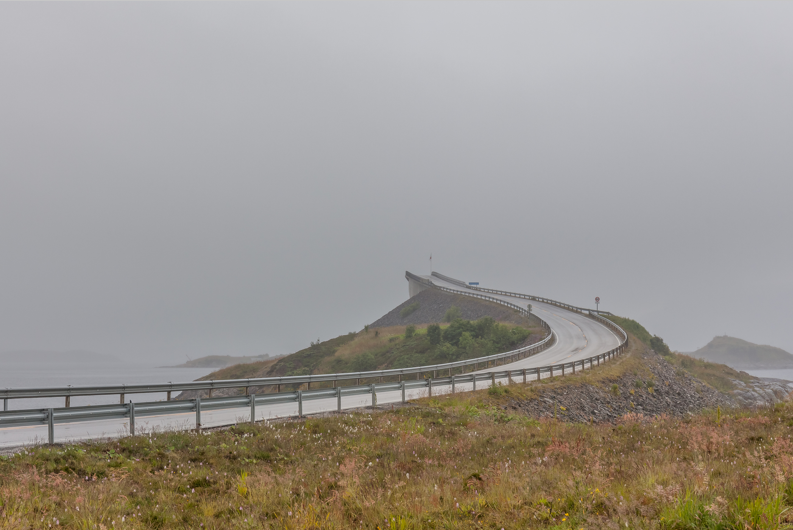
ID 172387461 | Bridge To Nowhere © Saltat007 | Dreamstime.com
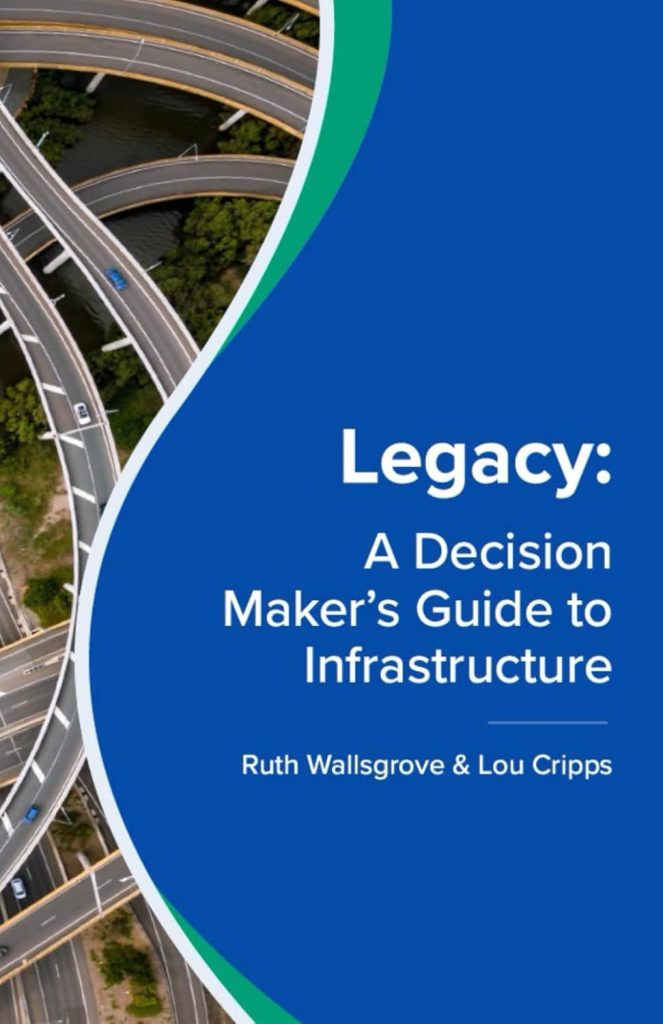
Lou Cripps and I were pushed to write a book for infrastructure decision makers from our experiences.
Experiences of senior people – C suite, council and board members – who don’t think enough about what it means to make decisions about physical assets in particular.
Legacy attempts to capture the fundamentals. What do you think? What have we missed?
‘There are some universal features of physical assets that we ignore at everyone’s peril.
- Physical assets degrade over time: they do not get better with more use. And, if you stop maintaining them, they don’t stay as they are now, but get worse.
- Physical assets do not do what they are told – what we want them to do – just because we want them to. Authority and status don’t impress them. Wishful thinking has no place in successful infrastructure management; only careful understanding of the physical realities, built up through experience. So we are all dependent on people with experience, the people who actually work with them.
- We should not let ourselves, or the people who work for our organisations, get focused on physical assets for their own sake. The assets exist to deliver a service to the communities we serve. It has to be about building up our collective knowledge of the connection between the work we do on the assets and the levels of service that they deliver, which is rarely that easy to see, especially from the outside.
- We cannot manage our assets proactively – to stay ahead of them – if we do not continuously learn from them. This, we feel, absolutely demands openness about past performance. What really happened, and why.
For us, the right attitudes for managing complex, often dangerous, and expensive physical infrastructure must include:
- Respecting that none of us knows enough on our own.
- Realising that no asset decision in isolation makes sense.
- Always asking, if we do something – build this new railway, for instance – then what? What happens next?
Legacy: A Decision Maker’s Guide to Infrastructure
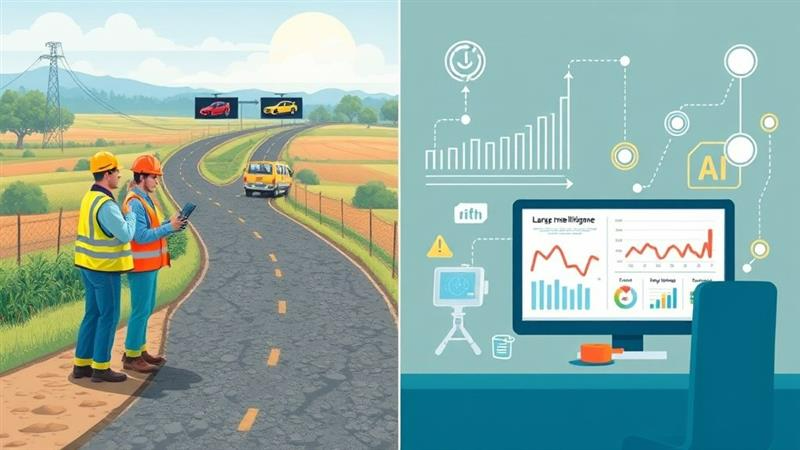
From script by Lou Cripps
As infrastructure organisations start to make use of large language models (LLM) – popularly labelled artificial intelligent, though they are not actually thinking – do we know where we want them to take us?
Talking Infrastructure members are involved in some experimentation here. Blue Mountains City Council, for example, is trialling such technology to automate rural road inspections from LLM interpretation of videos of defects.
Lou Cripps is training models with curated Asset Management information. That is, instead of letting something like ChatGPT loose on all sources, weighting scripts to focus on known and reliable material like SAM newsletter articles. (Otherwise, they are biased towards financial AM, since there’s much more of that material around.)
As Talking Infrastructure looks at how such tools can help make good AM practice more accessible, and what principles we need when, not if, organisations try using LLM in decision processes such as where to schedule road maintenance:
What have you used so far? Where do you think we can make best use of LLM?
Recent Comments