
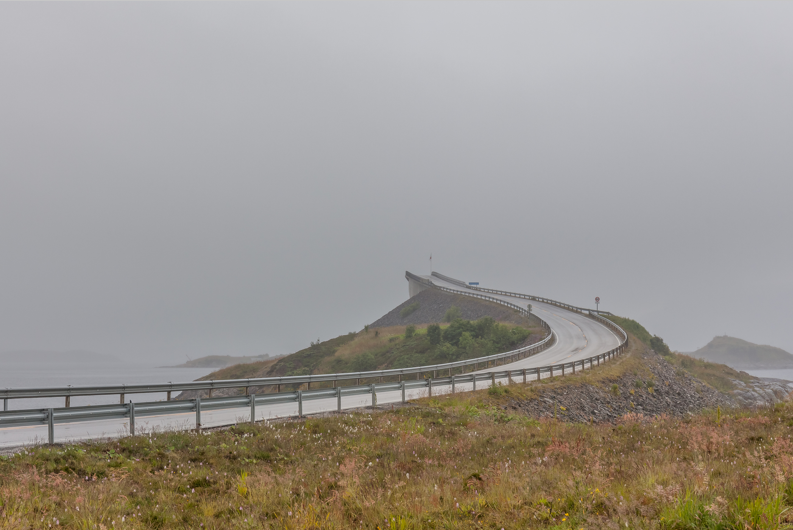
ID 172387461 | Bridge To Nowhere © Saltat007 | Dreamstime.com
Lou Cripps and I were pushed to write a book for infrastructure decision makers from our experiences.
Experiences of senior people – C suite, council and board members – who don’t think enough about what it means to make decisions about physical assets in particular.
Legacy attempts to capture the fundamentals. What do you think? What have we missed?
‘There are some universal features of physical assets that we ignore at everyone’s peril.
- Physical assets degrade over time: they do not get better with more use. And, if you stop maintaining them, they don’t stay as they are now, but get worse.
- Physical assets do not do what they are told – what we want them to do – just because we want them to. Authority and status don’t impress them. Wishful thinking has no place in successful infrastructure management; only careful understanding of the physical realities, built up through experience. So we are all dependent on people with experience, the people who actually work with them.
- We should not let ourselves, or the people who work for our organisations, get focused on physical assets for their own sake. The assets exist to deliver a service to the communities we serve. It has to be about building up our collective knowledge of the connection between the work we do on the assets and the levels of service that they deliver, which is rarely that easy to see, especially from the outside.
- We cannot manage our assets proactively – to stay ahead of them – if we do not continuously learn from them. This, we feel, absolutely demands openness about past performance. What really happened, and why.
For us, the right attitudes for managing complex, often dangerous, and expensive physical infrastructure must include:
- Respecting that none of us knows enough on our own.
- Realising that no asset decision in isolation makes sense.
- Always asking, if we do something – build this new railway, for instance – then what? What happens next?
Legacy: A Decision Maker’s Guide to Infrastructure
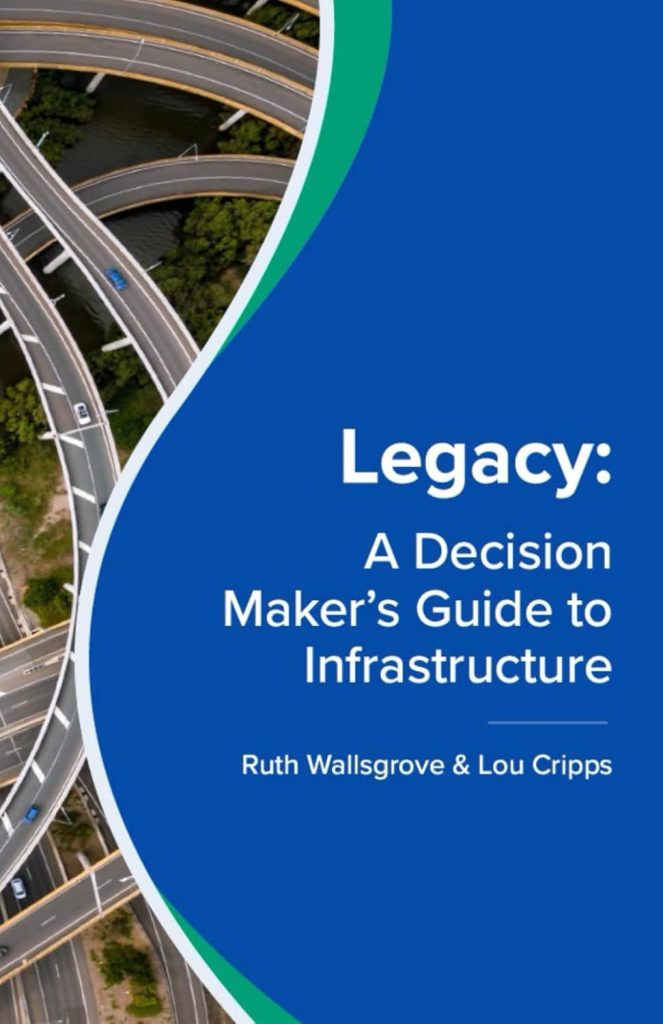
Lou was handing out copies of this at last year’s IAM NA Conference. It’s a good read. Well done!
The point that the assets exist to provide for a service is perhaps the main thing here. When we end up too focussed on ‘THE ASSET’ rather than the service it provides for and we get caught up in a cycle that might see an asset being renewed when no one now uses it or its original purpose has lapsed. It also means asset management does not exist in its own world, its an integral part of service planning and too often those who look after the asset forget about the those who depend on the service.
Then there is a problem when the asset management team write the asset management plans, and then they go nowhere. It would be better if the service manager took this responsibility with help from the AM team that way they would own the plan and it would fit the service. This might mean the traditon way assets are divided into class and type might need to change.
Bringing the whole organisation along in the AM journey is what is needed and thats why AM doesn’t belong, just, in the infrastructure dept.