
Our communities have delegated the management of physical infrastructure assets to us – including the worrying about the systems, the future, and change.
A key AM principle is not to kick the can down the road. For example, if you can see you will have a shortage of resources to manage the assets in ten years’ time, you have to start to deal with that now. (It will take you ten years to sort out.)
In the world of physical assets, things generally only get worse when you ignore them.
Assets degrade, and what is a small risk one day becomes a bigger risk simply through time. A failing asset that you don’t deal with becomes a more seriously failing asset.
However, human beings in general are not very good about time.
- We focus more on present benefits than future benefits
- We are not naturally good at understanding risks
- We are poor at noticing and paying attention to anything that changes relatively slowly, as opposed to immediate crises.
Generally, the people in the communities we serve won’t always have a great understanding about physical assets anyway, and are not good at thinking ahead for their future.
Communities need to be able to delegate the responsibilities to people who are good at it: who specialize not only at the engineering and maintenance of physical systems, but at managing through time, for the future as well as today.
We need to tool ourselves up, flex our through-time mental muscles. What will the decisions we make now look like to ‘future us’?
We will not always get it right, but with physical infrastructure we need to be the ones who can start to think about risk and benefits in four dimensions.
It is not obvious who else is ever going to do this!
What tools have you successfully used to manage the future?
Summarised from Legacy, our latest publication
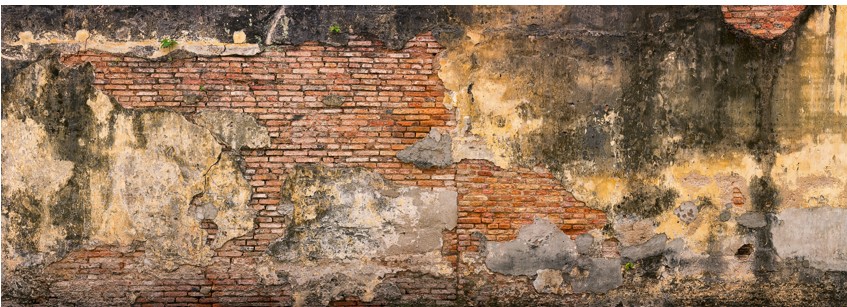
ID 48941664 | Crumbling Wall © Pzaxe | Dreamstime.com
Talking Infrastructure has been discussing why organisations do not make better use of longer-term Asset Management Plans (the AMP).
One challenge we have identified is that the decision makers – in the C suite, council, board – are not promoted for their ability to make tough decisions, but for their skills at keeping people happy.
I have nothing against informed compromise: after all, good practice Asset Management depends on trade-offs. On balancing performance, cost and risk, short term and longer term, different kinds of service against each other.
But do many senior decision makers feel that facts may hamper their room for negotiation?
The ‘fact’ we’ve discussed is not pulled out of big data, but the reality that assets wear out, or otherwise have time-limited lives.
Penny Burns’ original lifecycle model was focused on estimates ( from SME and local experience) of when we ought to replace assets. You might argue about the exact date, of course, and there’s room for investigation of optimal costs. But in practice executives don’t generally deny that things need replacing – if they think about it.
What I feel happens is the people who make the budgets try not to think about it, because that’s largely in the future. There are enough immediate problems!
Our experiences suggest executives understand there will be future costs, and risks, if this is put before them. A good graph of risk against expenditure, or a summary of replacement peaks and troughs for the next twenty five years.
One challenge is whether there is anyone to continue to put this in front of them. And in front of the next CEO or CFO or council members, when they come in not thinking at all about the fact the physical assets will need action, sooner rather than later, and someone has to think ahead about the money and resources to carry them out.
Because thinking about it might force hard choices – like to increase budget or lower standard of service.
What are you experiences with promoting the longer-term, lifecycle understanding of physical assets?
Does regulation and audits on AMPs help?
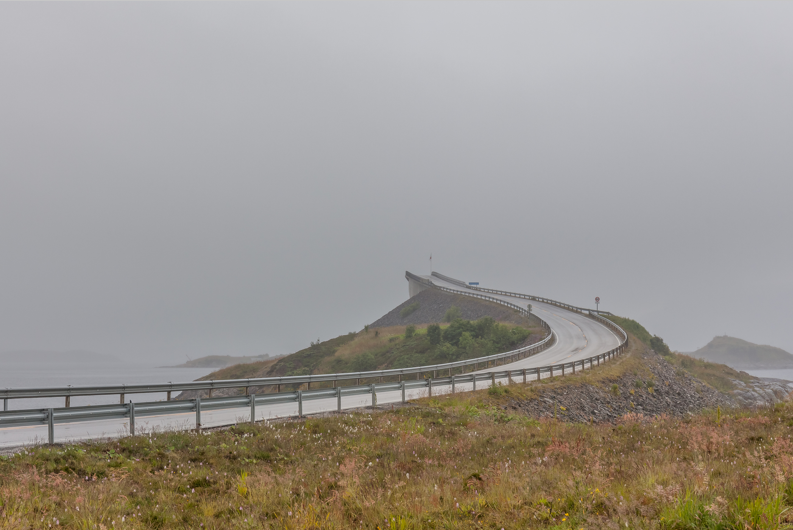
ID 172387461 | Bridge To Nowhere © Saltat007 | Dreamstime.com
Lou Cripps and I were pushed to write a book for infrastructure decision makers from our experiences.
Experiences of senior people – C suite, council and board members – who don’t think enough about what it means to make decisions about physical assets in particular.
Legacy attempts to capture the fundamentals. What do you think? What have we missed?
‘There are some universal features of physical assets that we ignore at everyone’s peril.
- Physical assets degrade over time: they do not get better with more use. And, if you stop maintaining them, they don’t stay as they are now, but get worse.
- Physical assets do not do what they are told – what we want them to do – just because we want them to. Authority and status don’t impress them. Wishful thinking has no place in successful infrastructure management; only careful understanding of the physical realities, built up through experience. So we are all dependent on people with experience, the people who actually work with them.
- We should not let ourselves, or the people who work for our organisations, get focused on physical assets for their own sake. The assets exist to deliver a service to the communities we serve. It has to be about building up our collective knowledge of the connection between the work we do on the assets and the levels of service that they deliver, which is rarely that easy to see, especially from the outside.
- We cannot manage our assets proactively – to stay ahead of them – if we do not continuously learn from them. This, we feel, absolutely demands openness about past performance. What really happened, and why.
For us, the right attitudes for managing complex, often dangerous, and expensive physical infrastructure must include:
- Respecting that none of us knows enough on our own.
- Realising that no asset decision in isolation makes sense.
- Always asking, if we do something – build this new railway, for instance – then what? What happens next?
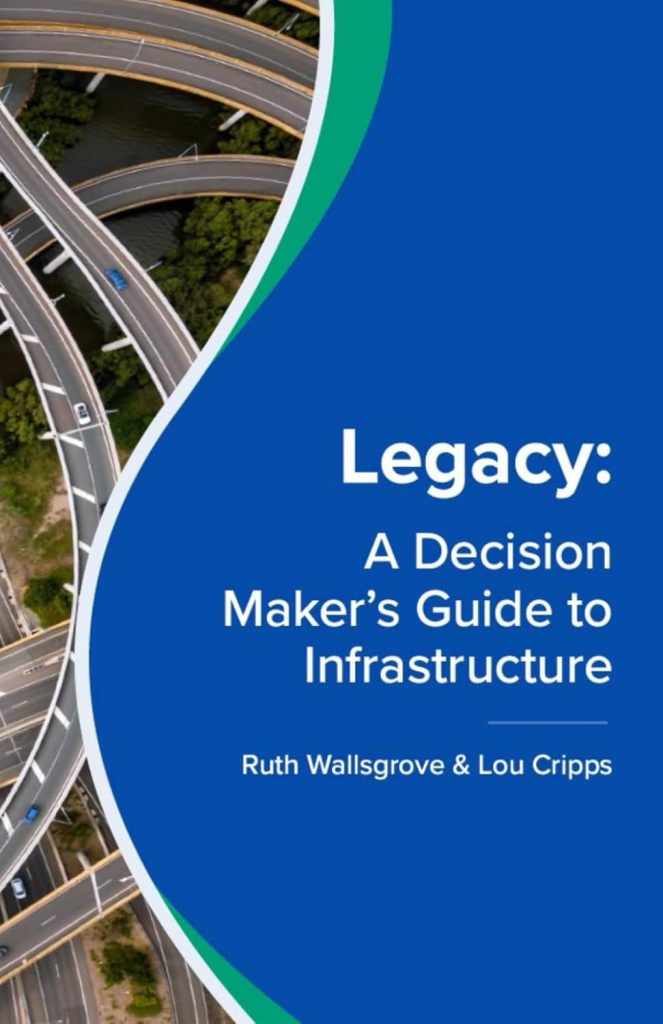
Legacy: A Decision Maker’s Guide to Infrastructure
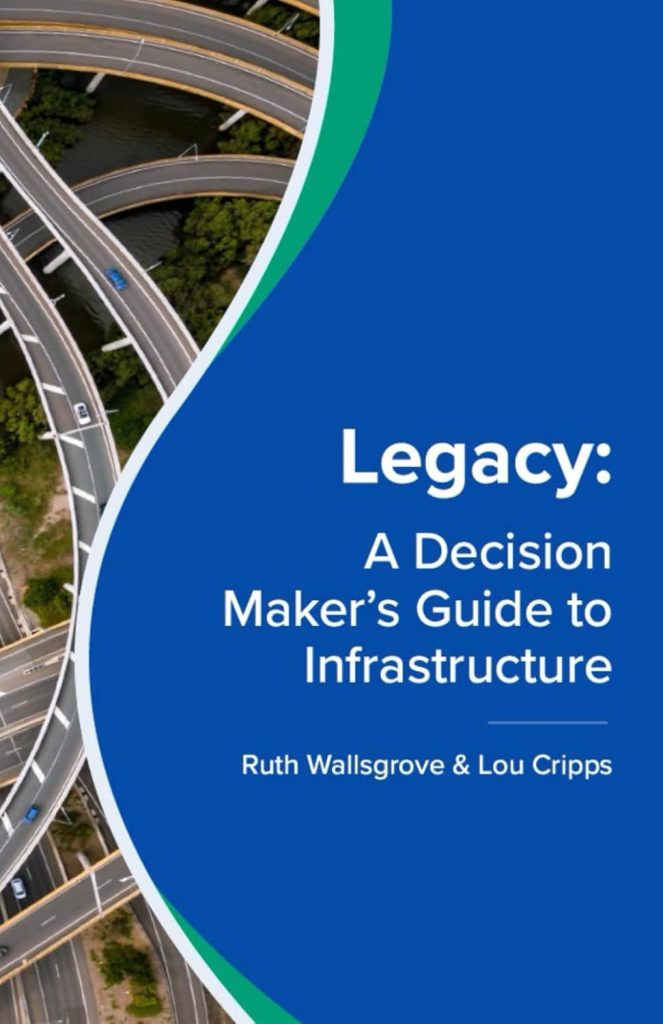

What is your legacy to infrastructure? Not the concrete you pour, but the quality of your decision-making.
Here’s an article on better decision thinking from Talking Infrastructure board member Lou Cripps for the Institute of Asset Management magazine.
https://publications.cplone.co.uk/portfolio/IAM/202507/0010.html
Recent Comments