
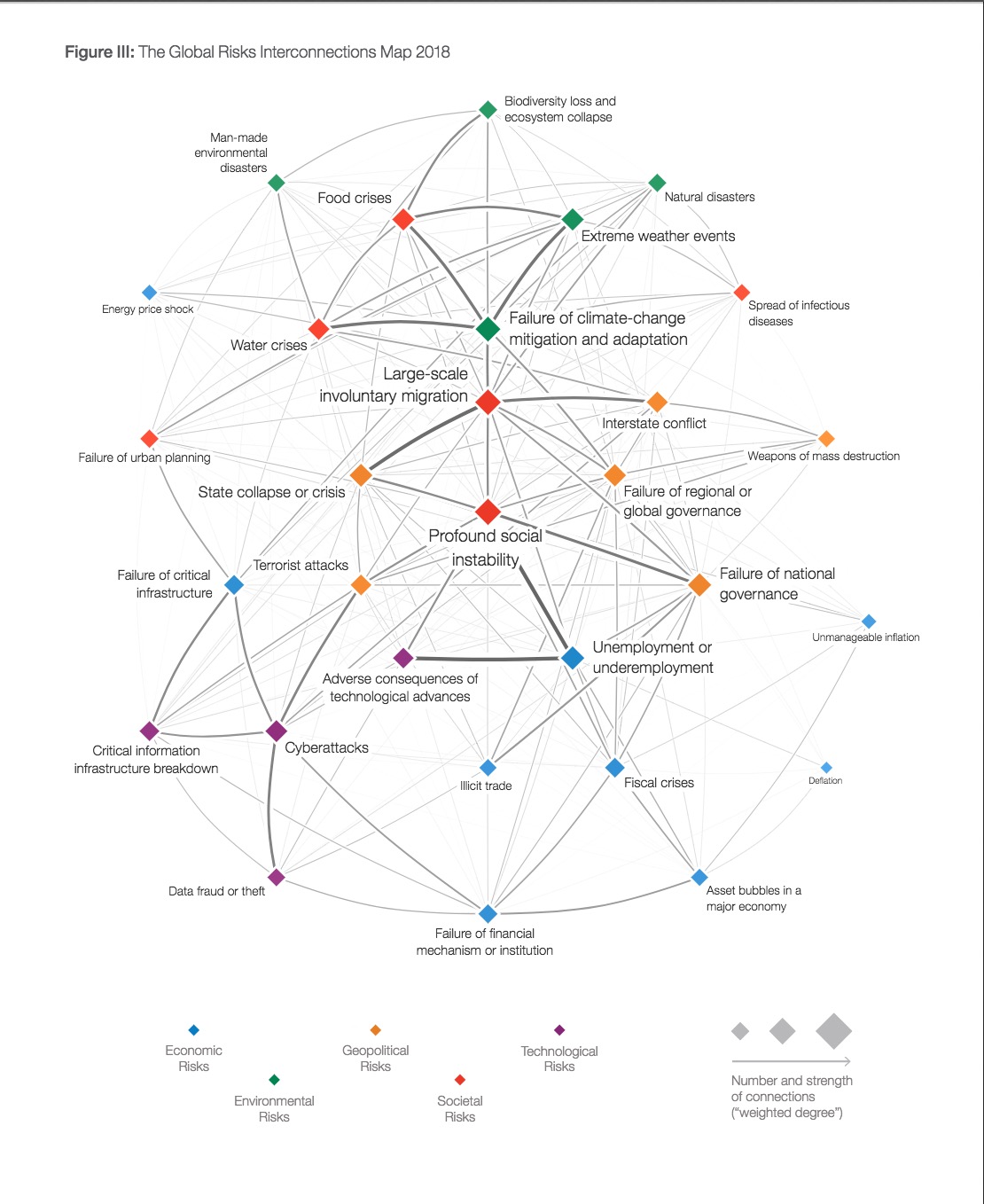
For senior decision makers, infrastructure used to be a relatively simple matter – assign different teams of engineering and finance specialists to determine if it could be built and could be afforded. Infrastructure decision making is no longer simple, more a matter of juggling many factors, each of unknown severity and immediacy. This is why I have introduced the ‘big picture’ issues now being dealt with by the world’s financial elite at the World Economics Forum, and the many practical issues essential for economic, social and environmental sustainability, that the United Nations are grappling with in the 17 SDGs, the sustainable development goals.
Being aware of the issues is clearly the first step, but then what?
How would you go about including these goals in your own infrastructure decision making? And how would you know when you have been successful? The Australian Senate has recently launched an inquiry into the implementation of the SDGs. Here is what they are looking at. (Note that the last 4 line items refer to Australia’s work in supporting other nations.)
Questions for Today:
- Are they the right questions for the Senate? What is missing?
- Are they the right questions for You in your own infrastructure decision making? What questions would you add, or modify?
Here is the Senate Inquiry’s Terms of Reference
An inquiry into:
- the understanding and awareness of the SDG across the Australian Government and in the wider Australian community;
- the potential costs, benefits and opportunities for Australia in the domestic implementation of the SDG;
- what governance structures and accountability measures are required at the national, state and local levels of government to ensure an integrated approach to implementing the SDG that is both meaningful and achieves real outcomes;
- how can performance against the SDG be monitored and communicated in a way that engages government, businesses and the public, and allows effective review of Australia’s performance by civil society;
- what SDG are currently being addressed by Australia’s Official Development Assistance (ODA) program;
- which of the SDG is Australia best suited to achieving through our ODA program, and should Australia’s ODA be consolidated to focus on achieving core SDG;
- how countries in the Indo-Pacific are responding to implementing the SDG, and which of the SDG have been prioritised by countries receiving Australia’s ODA, and how these priorities could be incorporated into Australia’s ODA program; and
- examples of best practice in how other countries are implementing the SDG from which Australia could learn.
Our January theme is ‘Getting Ready for Change’. One of the biggest changes is that infrastructure is no longer a national, but a global game.
In the last several posts we briefly looked at the issues being addressed at the World Economic Forum. But WEF is not Australia’s only major international commitment impacting our infrastructure decisions.
The Australian Government is also a signatory, along with over 190 other countries, to the United Nations 17 sustainable development goals, or SDGs. This requires the co-operation of all levels of government, all business and really all individual Australians. Yet how many of us are even aware of these goals?
The Senate has recently opened an inquiry into the implementation of the SDGs and we will look at this next few posts. But first, consider the goals themselves. Unlike the United Nations’ earlier Millenial Goals which focussed on developing countries, the SDGs apply to all, developing and developed alike.
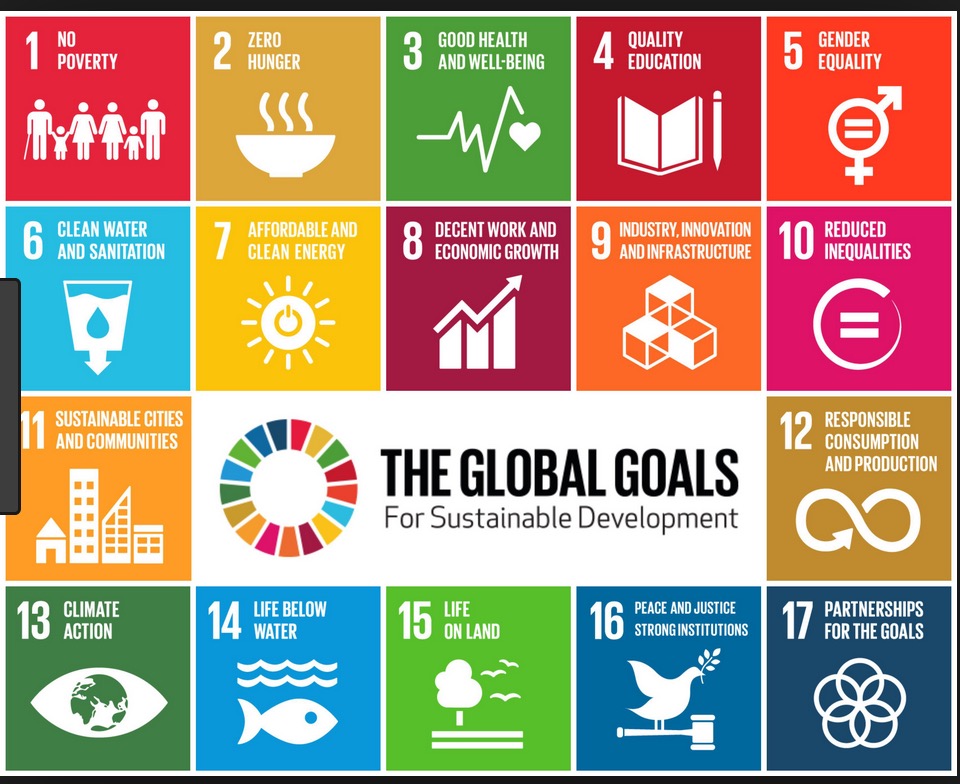
One of the first steps is getting ready for change is to be aware of the global game we are now playing in.
So Three questions today:
- On an individual level: how many of the goals apply to consumption choices you make?
- On an organisational level: how many of the goals apply to the work your organisation does?
- On a government level: how many of the goals apply to the decisions our governments make (at all levels)?
If you would like to share your thoughts on these issues, please do – just click in the menu above the item ‘leave a comment’.
‘Experts’ have been taken to task for being ‘close focussed’, thinking only of their own area and not connecting with the wider world. If infrastructure decisions are to improve our world, they need to take in the wider context. How difficult this will be is, I think, indicated in the following statement of purpose for the World Economic Forum that begins this week in Davos.
Creating a Shared Future in a Fractured World
“The global context has changed dramatically: geostrategic fissures have re-emerged on multiple fronts with wide-ranging political, economic and social consequences. Realpolitik is no longer just a relic of the Cold War. Economic prosperity and social cohesion are not one and the same. The global commons cannot protect or heal itself.
Politically, new and divisive narratives are transforming governance. Economically, policies are being formulated to preserve the benefits of global integration while limiting shared obligations such as sustainable development, inclusive growth and managing the Fourth Industrial Revolution. Socially, citizens yearn for responsive leadership; yet, a collective purpose remains elusive despite ever-expanding social networks. All the while, the social contract between states and their citizens continues to erode.
The 48th World Economic Forum Annual Meeting therefore aims to rededicate leaders from all walks of life to developing a shared narrative to improve the state of the world. The programme, initiatives and projects of the meeting are focused on Creating a Shared Future in a Fractured World. By coming together at the start of the year, we can shape the future by joining this unparalleled global effort in co-design, co-creation and collaboration. The programme’s depth and breadth make it a true summit of summits.”
Recent Comments