

© Airam Dato-On – Viewing Vermeer’s Milkmaid
A great book on the importance of maintenance is titled The Innovation Delusion. Asset managers know only too well the ‘dynamic tension’ between building shiny new and keeping our existing systems going.
But a recent book – Peak Human, by Johan Norberg – bangs the drum for innovation in an interesting way. Given one proviso – that we fully acknowledge the horror of human slavery in the past – he suggests we know a golden age when we see one.
“A period with a large number of innovations that revolutionize many fields… in a short period of time.”
Its characteristics, he suggests, are creativity, science, technical achievements, economic growth, better average standard of living. As opposed to stagnation in thought, lack of optimism, lack of tolerance.
The book is a great romp through the usual suspects – Athens, Roman Empire, Renaissance Italy – along with the less familiar, at least to me: Abbasid Caliphate, Song China. The golden age Dutch Republic of trade, non-conformity, great painters, the middle class. The ‘Anglosphere’ from the Industrial Revolution onwards.
Times of curiosity – and a lack of crippling fear of others?
Innovation can’t just mean what the tech-bros say. Revolutionary innovations include doing without kings. With human, women’s and animal rights, and caring for the environment. I am very, very glad we finally understood about germs – and the importance of basic sanitation for everyone.
If innovation Is coming up with better ways of doing things, I am all for it.
But it can’t just be about technology.
- Can we embody a spirit of learning and sharing which isn’t predatory capitalism, instead includes caring for others and sustaining the assets we depend on?
- For feeling in our bones that sustaining is a triumph as much as inventing?
*Happy birthday to my niece Natalie, named in remembrance of the storming of the Bastille this day in 1789
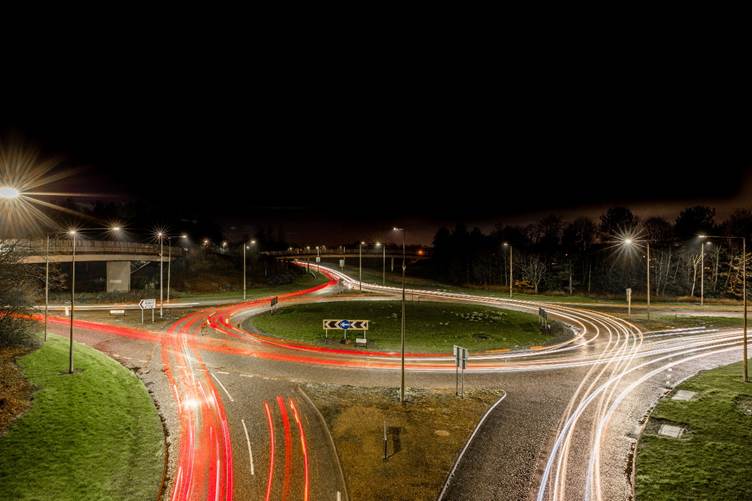
174608439 | Milton Keynes © Mr Paul Hanley | Dreamstime.com
I live in an old town, Newport Pagnell, best know for two road transport icons: the second motorway service station in Britain, and Aston Martin.
Newport is also part of the first new city in England, Milton Keynes. MK is famous for its roundabouts, over 130 at last count.
Roundabouts are fascinating infrastructure. They take up more room than traffic lights but they are much more efficient.
They raise questions about what good infrastructure looks like. Someone had the technical idea for them well before MK, but they also require changes in people’s behaviour. They are hard to retrofit.
What is the role of technical innovation in infrastructure? What are all the other things that have to go with the introduction of a technical innovation? What changes have to be forced on people for the technology to work?
I have driven around a Dutch roundabout while they still ran with priority from cars entering, not the vehicles already on it. Totally biased, this seemed like a very bad idea to me.
I have driven on a brand new roundabout in a central Washington town that was also scary, because I knew many drivers wouldn’t understand how they work: they take getting used to, with plenty of warning signs about priority.
I’ve sat at US four way stops and admired the discipline – British drivers really struggle with them – but, as I waited, also calculated that a roundabout would be faster.
I drive on Roundabout City’s roads, where inhabitants know they do not have stop, and everyone knows how to judge gaps. Out of towners run the risk of being rear-ended.
Curiously, small roundabouts on housing estates slow the traffic down. But the main, grid roads with large roundabouts at every main junction can be driven at 60 miles per hour. And you can drive straight through this city of a third of a million people and never see a single house.
Milton Keynes people love their roundabouts – but have to be warned about how traffic light systems work.
Recent Comments